
Excavator Grading Services for Controlled Earthwork and Site Development
Reliable grading solutions for stable and efficient ground preparation
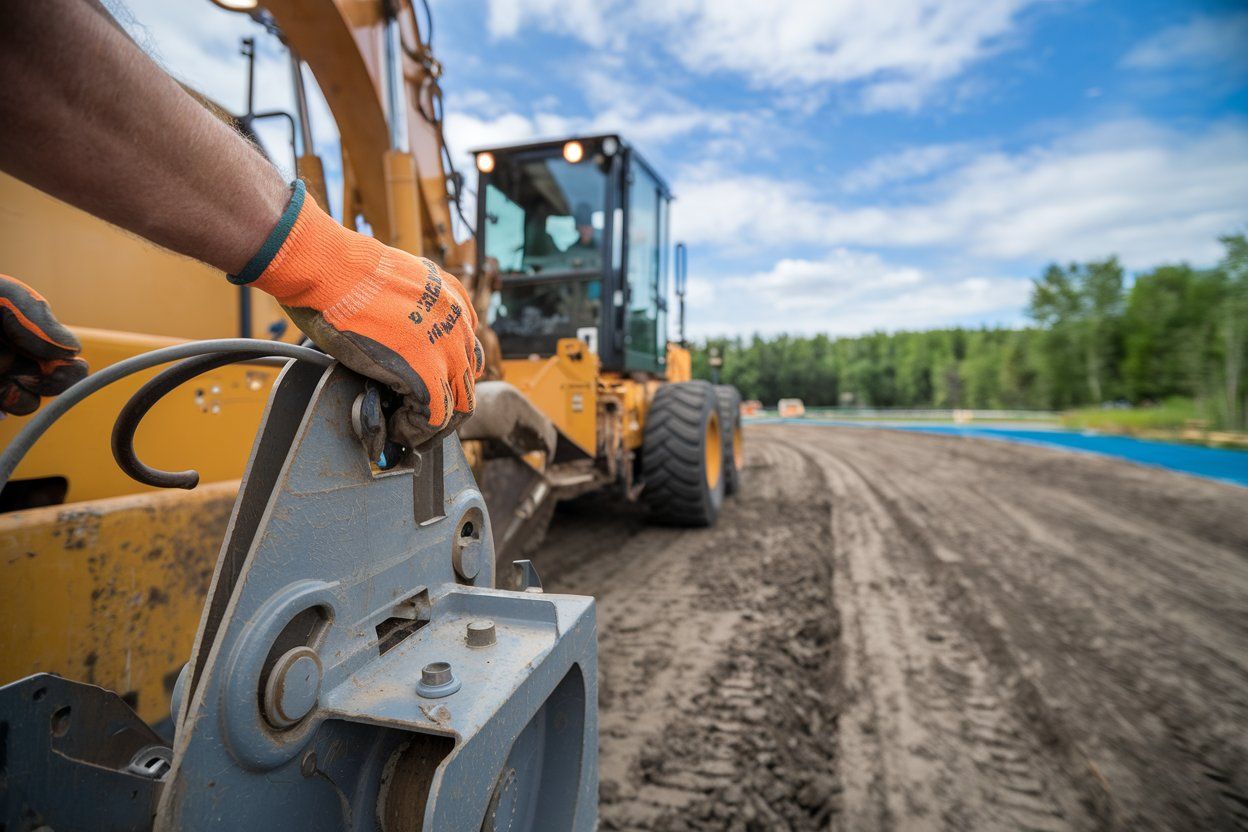
Understanding Excavator Grading and Ground Preparation
Excavator grading is a controlled earthwork process that shapes land surfaces to meet specific elevation and slope requirements. Newsome's Enterprises Clearing & Grading in Thomson, GA performs grading using hydraulic excavators equipped with grading buckets and attachments that allow smooth and even surface adjustments. The process begins with site evaluation, where soil condition, elevation targets, and drainage patterns are reviewed. Operators then remove excess material, redistribute soil, and establish the correct grade using measured techniques.
Cut and fill operations are often applied to balance the terrain by removing soil from higher areas and placing it in lower sections. This helps create a stable and level base. Trenching may also be included to support drainage flow and prevent water buildup. Proper grading ensures that the surface can handle load distribution while minimizing erosion risks.
Using calibrated equipment and consistent movement control, grading improves soil compaction and surface integrity. Each step follows a sequence that includes rough grading, fine grading, and finishing passes. This structured approach helps achieve uniform results across the entire site. Excavator grading is an essential part of preparing land for further development, ensuring that the ground is properly aligned, stable, and ready for the next phase of work.
Key Features of Excavator Grading Services
Excavator grading shapes land for stability and usability. Newsome's Enterprises Clearing & Grading in Thomson, GA follows a structured workflow that improves surface consistency and supports proper drainage, reducing erosion and water buildup. This process also enhances soil distribution and prepares the ground for long-term use.
•⚙️Site Assessment:
Evaluation of terrain conditions, soil type, and elevation requirements before grading begins.
•📐Controlled Cut And Fill:
Balanced removal and placement of soil to achieve consistent ground levels and stability.
•🚜Equipment Handling:
Use of hydraulic excavators with grading attachments for smooth and accurate surface shaping.
•💧Drainage Preparation:
Establishment of proper slope to support water runoff and reduce pooling or erosion.
•🧱Surface Compaction: Gradual soil compression to improve load-bearing capacity and reduce future settling.
Each stage focuses on alignment and accurate slope control. Equipment is carefully operated to maintain even elevation while keeping soil compact and stable. Modern attachments help achieve smoother finishes with less material waste while improving efficiency on varied terrain conditions.
Grading forms a reliable base for surface performance. Without it, shifting and drainage issues may occur. Contact
Newsome's Enterprises Clearing & Grading at
(762) 274-8442
for more details.

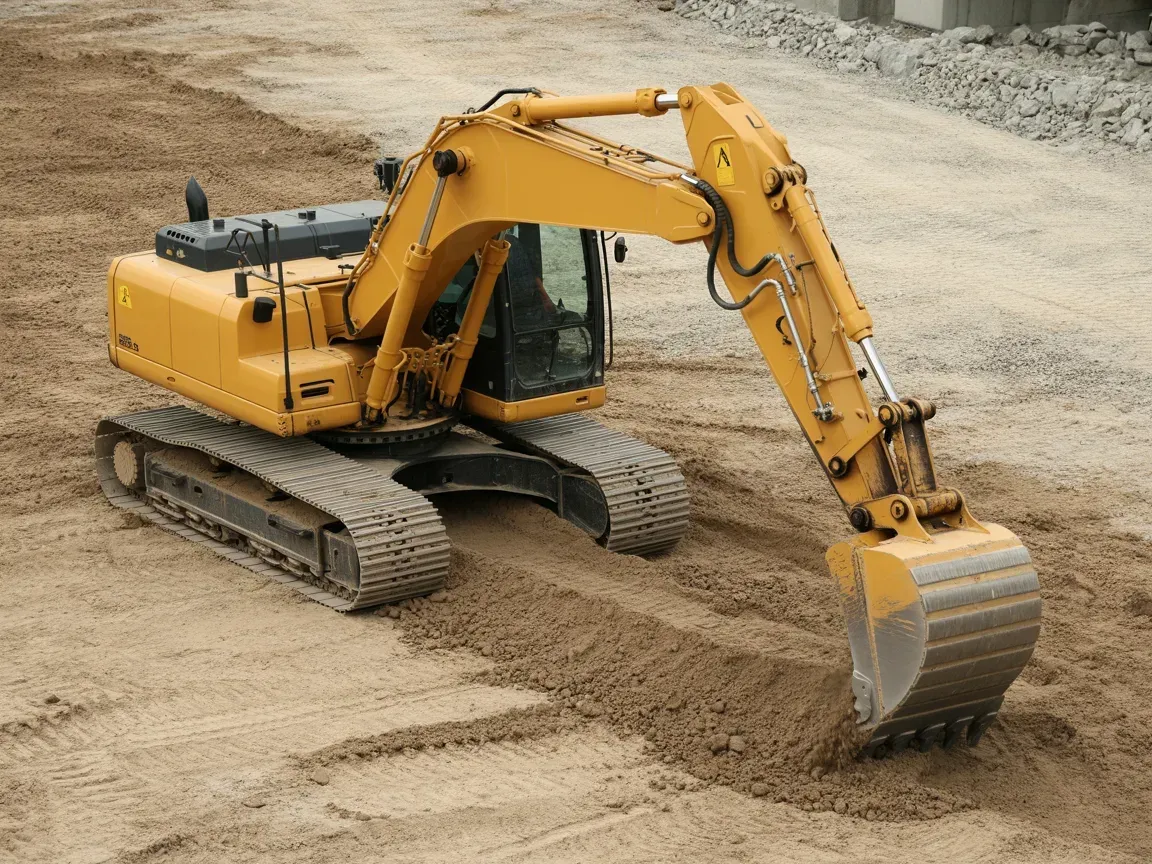
Excavator Grading Process and Execution
Excavator grading involves a step-by-step process designed to create a balanced and stable surface. Newsome's Enterprises Clearing & Grading in Thomson, GA begins with site clearing to remove debris and obstacles that may interfere with grading operations. Once cleared, rough grading is performed to establish the general shape and elevation of the land. This stage focuses on moving large volumes of soil to approximate levels.
After rough grading, fine grading is carried out to refine the surface. Operators use precise equipment control to adjust slopes and ensure even distribution of soil. This stage is important for achieving the correct grade that supports drainage and surface stability. Trenching may be added during this phase to direct water flow and prevent accumulation.
The final stage involves surface smoothing and compaction. Soil is leveled and compacted to reduce air pockets and increase density. This improves the ground’s ability to support weight and resist shifting over time. Each phase is completed with careful monitoring to maintain consistency across the entire area.
Through this structured grading process, the land is prepared with proper alignment, slope, and stability. This ensures that the surface is ready for continued use while maintaining long-term performance and durability.